
+1 (800) 555-0142 · [email protected] EN · Storage RFQ desk
Guided industry cards

Dexion Industries — choose the operating profile before the rack class

E-commerce, grocery, cold chain, manufacturing staging and multi-client warehouses ask different questions about SKU depth, peak factor, temperature and pallet or tote mix. Dexion helps you name those differences before selectivity and aisle geometry are locked.

E-commerce fulfillment aisle with tote and pallet mix

E-commerce fulfillment

Very high SKU counts with shallow line depth create pick-face congestion and promotional peaks that can reach 1.6–2.2× baseline. Racking choices must state presentation height, travel distance and how exception cartons re-enter the wave. Horizontal pallet moves still need clear staging lanes so outbound docks do not absorb every delay.

  • Tote-heavy mix with carton/pallet exceptions
  • Promotional peak windows documented
  • Traffic rules at cross-aisles and packing handoff
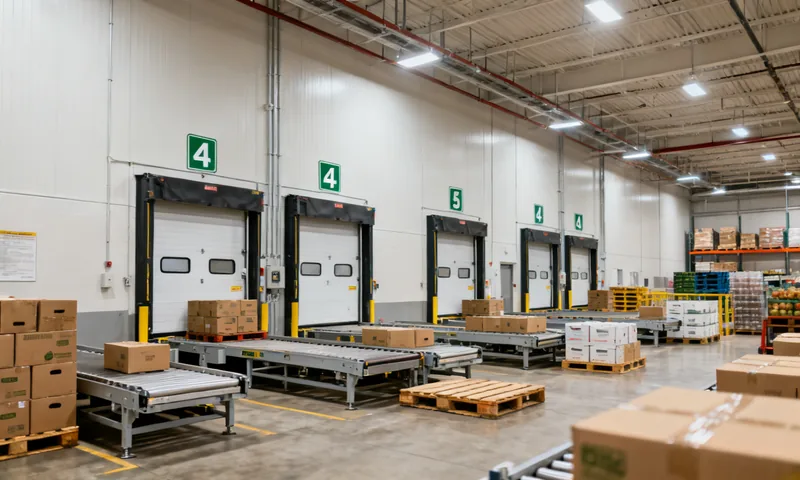
Grocery distribution case picking and pallet staging

Grocery distribution

Case velocity tiers and store replenishment peaks drive dock congestion and chilled-zone transitions. Rack load rating at height matters when store pallets are rebuilt, while condensation and door cycles change duty assumptions. Selector guides should separate ambient, chilled and freezer travel rules instead of averaging them into one vague profile.

  • Case and pallet dominant load units
  • Store wave peaks with buffering notes
  • Zone transition and door cycle constraints
Cold chain warehouse with pallet positions in chilled aisle

Cold chain storage

Frozen and chilled envelopes shorten dwell flexibility and punish unplanned door time. Condensation, beam materials and inspection access at temperature must sit beside nameplate capacity. Dock spikes are often the real peak, so SAT tasks should include representative door cycles rather than only open-aisle travel.

  • Pallet primary with condensation risk
  • Strict dwell and door-time limits
  • Inspection access validated at temperature
Manufacturing staging with sequenced pallet drops

Manufacturing staging & multi-client sites

Sequenced kits, stillages and changeover bursts create short, intense peaks that differ from retail waves. Multi-client sites add client-varying SKU profiles and SLA windows that share the same aisle network. Interface ownership for WMS/WCS releases and temporary route closures during changeovers must be written before rack bays are treated as interchangeable.

  • Pallet and stillage mix by work order
  • Changeover-driven or contract peak windows
  • Shared-route ownership across clients or lines
Selection trade-offs

Two Dexion debates that change the rack class

These are operating choices, not slogans. Record which side you favor for the stated peak window and recovery budget.

Storage density vs direct access

Maximum density reduces footprint and travel when SKU affinity and replenishment windows support fewer pick faces. Direct selectivity improves access, maintenance isolation and SKU flexibility when velocity bands change weekly. Inventory cube utilization only counts as a gain when fire aisles, recovery lanes and EN 15635 inspection access remain usable after the denser layout is installed.

Peak rate vs operational resilience

Peak throughput prioritizes maximum output under a defined design mix. Resilient flow prioritizes buffers, redundancy and graceful degradation when a destination blocks or a confirmation times out. Dexion asks teams to state order lines per hour with buffer occupancy and exception recovery time, not a clean-run headline alone.

Selector guide

Check the questions that change Dexion rack class

Mark what you already know. “Unknown” is acceptable when it has a measurement date—unlabeled guesses are not.

Match profile to steel

Send the industry operating profile to Dexion

Include temperature zones, peak factor, pallet/tote mix and the interfaces that already own identity. We will help organize the next measurement rather than force an early machine label.

Please provide your name.
Please provide a valid email.
Please provide your company.
Please describe the application.
Consent is required to submit.