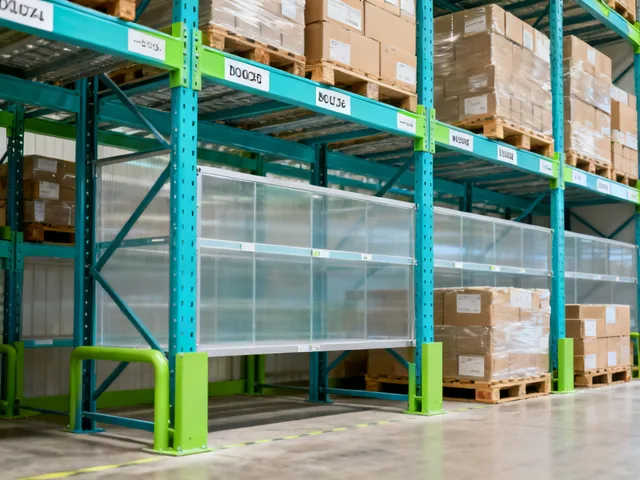
Selective pallet racking
Direct access for mixed SKU velocity with documented rack load rating, beam levels and aisle width for lift-truck residual capacity.
Selectivity first Review selective layouts →Connect rack load rating, beam deflection limits, SKU velocity, aisle width, fire and maintenance aisles, WMS/WCS handshakes and recovery access before you freeze a Dexion racking layout. Operations, maintenance and controls review the same evidence set.

Each family trades pick face access, inventory cube utilization and expansion path differently. Start with pallet geometry and velocity bands, not a catalog photo alone.
Direct access for mixed SKU velocity with documented rack load rating, beam levels and aisle width for lift-truck residual capacity.
Selectivity first Review selective layouts →
Higher inventory cube utilization when SKU affinity and replenishment windows support fewer pick faces and clearer recovery lanes.
Density with access Review dense options →
Automated storage when pick rate, buffer occupancy and WCS ownership can be stated with FAT/SAT scripts and exception recovery paths.
Controls-bound Review automation path →
Balance storage density with selectivity, fire and maintenance aisles, recovery access and future expansion so inventory cube utilization does not erase safe intervention paths. Beam deflection and rack load rating stay visible in the same worksheet.

Validate rate against SKU mix, order profile, peak window, accumulation, replenishment and exception recovery instead of quoting an ideal pallet cycle alone. Order lines per hour and buffer occupancy are stated together.
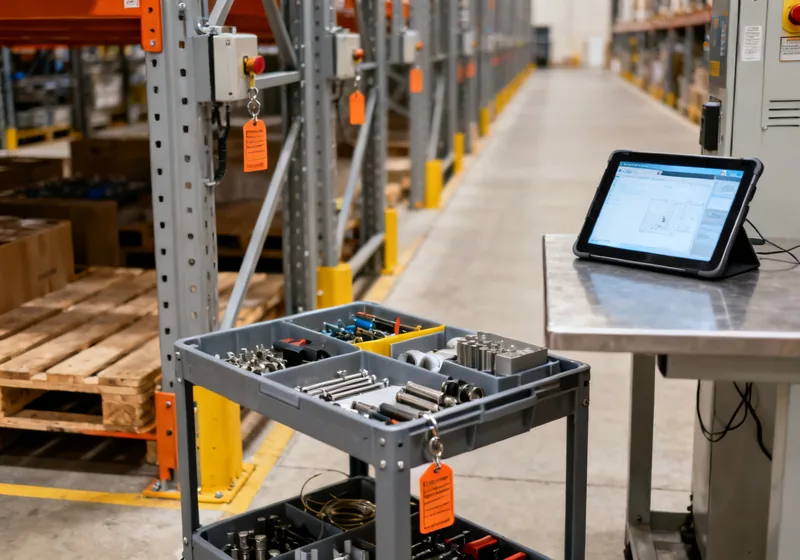
Keep maintenance access, diagnostics, critical spares and recovery procedures visible before operational handover, including mean time to repair assumptions for shuttles, conveyors feeding the aisle and host interfaces.
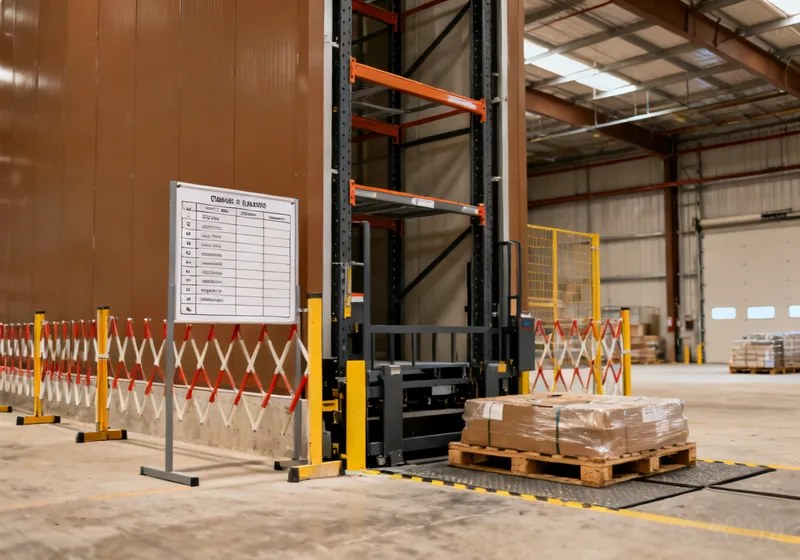
Protect live operations with controlled cutover, fallback states, commissioning windows and measurable acceptance gates tied to FAT and SAT evidence. Brownfield cutover plans name rollback triggers before steel is released.
The same beam catalog can serve very different peak factors, temperature limits and pallet/tote mixes. Compare profiles before freezing aisle geometry.
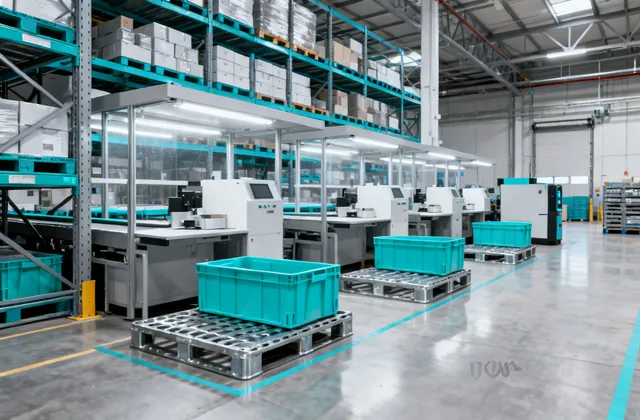
High SKU counts, shallow line depth and promotional peaks that can reach roughly 1.6–2.2× baseline when buffer occupancy is ignored.
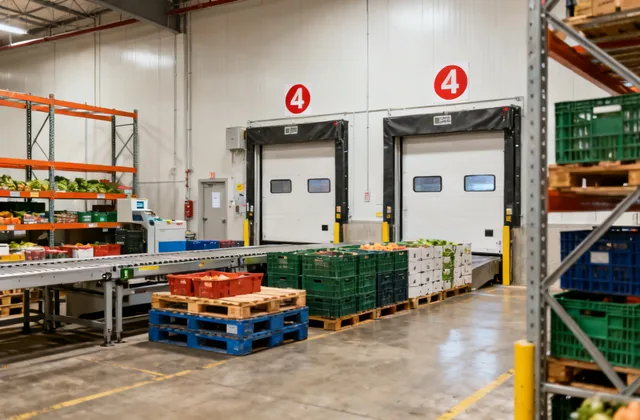
Case velocity tiers and store waves drive dock congestion; chilled transitions change condensation and duty-cycle assumptions on shared aisles.
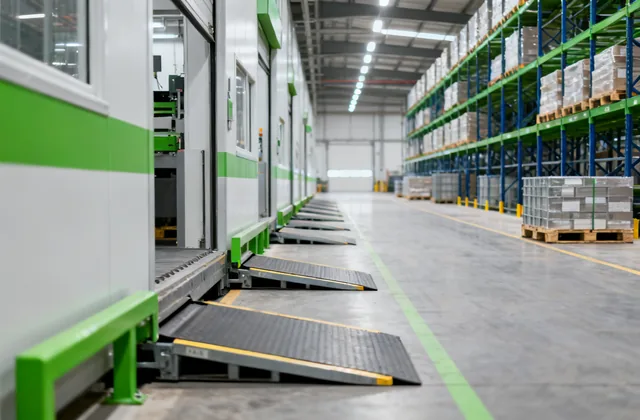
Sequenced kits and changeover bursts create short peaks that differ from retail waves; interface ownership for releases must be written early.
Bring pallet dimensions, SKU velocity bands, peak order lines, fire aisle limits and the systems that already own identity and work release.